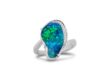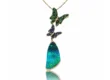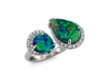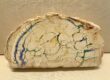
Guide to Buying Australian Opals- How to Choose a Quality Opal?
When navigating the market, a comprehensive guide to buying opal can enhance your purchasing experience. It’s important to familiarize yourself with the different types of Australian opals, such as black, white, and boulder opals, as each possesses distinct characteristics. Always seek reputable dealers who can provide authenticity certificates and detailed information about the opal’s origin. With this knowledge, you’ll be well-equipped to choose a stunning opal that fits your preferences and budget.
Unlike diamonds, opals are not graded according to a single universally recognised system. Every natural opal is different, with its own combination of colour, pattern, brightness, body tone and character. Two opals of the same size and weight can therefore look completely different — and can vary considerably in value.
Understanding a few important characteristics can make choosing an Australian opal much easier.
What Determines the Quality of an Opal?
When assessing an opal, there is no single feature that determines its quality. Instead, several characteristics work together.
Some of the most important factors include:
- Play-of-colour
- Brightness
- Body tone
- Colour range
- Pattern
- Size and carat weight
- Shape and cut
- Natural characteristics and imperfections
- Opal type and origin
For most buyers, however, the first thing to consider is also the easiest to recognise: how the opal looks when it moves.
1. Look for Strong Play-of-Colour
Play-of-colour is the shifting display of spectral colours that makes precious opal so distinctive.
As an opal is moved under light, you may see flashes of blue, green, yellow, orange, pink or red appearing across the stone.
A quality opal should display attractive colour from useful viewing angles rather than appearing impressive from only one very specific position.
The intensity and distribution of this colour are important. Some opals display broad areas of colour, while others contain small flashes or intricate patterns.
There is no single colour combination that everyone should prefer. Beauty is ultimately personal, although certain colours and combinations can be rarer and consequently more valuable.
2. Consider the Brightness
Brightness describes how strongly the colours appear from the opal.
A bright opal can appear almost illuminated from within, with vivid flashes that immediately attract the eye. Other stones may have beautiful colours but display them more softly.
When comparing opals, try moving each stone under the same lighting conditions. This makes it much easier to see differences in brightness and colour intensity.
A smaller, exceptionally bright opal can sometimes be more desirable than a larger stone with subdued colour.
This is why carat weight alone should never be used to judge an opal.
3. Understand Body Tone
Body tone refers to the underlying colour or darkness of an opal before considering its play-of-colour.
Australian precious opals can range from very dark black and grey tones through to lighter white or milky appearances.
Black opal, most famously associated with Lightning Ridge in New South Wales, has a naturally dark body tone. This darker background can create a dramatic contrast with the opal’s play-of-colour.
White and light opals, particularly those associated with Coober Pedy in South Australia, have a lighter body appearance and can produce a softer, luminous effect.
Neither should be chosen simply because one category is considered more prestigious. A beautiful, bright white opal may be far more appealing than a lower-quality dark opal.
The individual stone matters more than the name alone.
4. Pay Attention to Colour
Not all opal colours occur with the same frequency.
Blue and green are commonly seen in Australian opals, while strong orange and red can be considerably rarer. An opal displaying intense red play-of-colour, particularly across a dark body tone, can therefore command significant value.
However, colour should always be considered alongside brightness, pattern and coverage.
A stone containing red is not automatically better than a brilliant blue-green opal.
For a first-time buyer, it is often better to ask:
Which colours do I genuinely enjoy looking at?
An opal is a gemstone you may own for decades, so personal attraction should remain an important part of the decision.
5. Examine the Pattern
One of the fascinating characteristics of opal is the enormous variety of patterns found within the gemstone.
You may encounter descriptions such as:
- Broad flash
- Pinfire
- Rolling flash
- Floral
- Harlequin
- Ribbon
- Mosaic-like patterns
Some patterns are considerably rarer than others and can contribute significantly to an opal’s value.
However, pattern terminology can sometimes become confusing for a first-time buyer. Rather than concentrating entirely on the name of a pattern, look at how evenly and attractively the colour is distributed across the stone.
A beautiful natural pattern should complement the overall appearance of the opal.
6. Don’t Judge an Opal by Carat Weight Alone
Opals are normally sold and described by carat weight, but a heavier opal is not necessarily a better opal.
An opal’s value is influenced by the quality of its colour, brightness, pattern, body tone, shape and overall appearance.
For example, a smaller opal with exceptional brightness and rare colour can potentially be more valuable than a much larger stone with weaker play-of-colour.
Thickness also affects weight. Two opals that appear similar in size from the top may have very different carat weights depending on their depth.
When comparing stones, consider the entire opal rather than focusing exclusively on the number of carats.
7. Look at the Opal From Different Angles
Never assess an opal from a photograph or a single viewing angle alone if you have the opportunity to see it in person.
Pick the stone up and gently move it.
Watch what happens to the colours.
Does the opal remain lively as it moves? Do new colours appear? Does the pattern change? Are there areas that become inactive?
This movement is part of what makes natural opal so fascinating.
It is also one reason videos can be particularly useful when purchasing an opal remotely.
8. Understand the Different Types of Australian Opal
Knowing what type of opal you are considering can help you understand its appearance and structure.
Black Opal
Black opal has a dark body tone that can provide exceptional contrast against its play-of-colour. Australia’s Lightning Ridge is internationally famous for producing black opal.
Fine examples can display exceptionally vivid colour and are among the most highly prized Australian opals.
Boulder Opal
Boulder opal is predominantly mined in Queensland and forms naturally within ironstone.
Unlike many other opals, part of the host ironstone is intentionally retained as part of the finished gemstone. This creates distinctive natural shapes, patterns and contrasts.
Every boulder opal reflects the structure of the rock in which it formed, giving these stones a particularly individual character.
White and Light Opal
White and light opals have a pale body tone and are strongly associated with Australian mining areas such as Coober Pedy.
Fine examples can display brilliant play-of-colour across a luminous light background.
Crystal Opal
Crystal opal describes precious opal with a transparent or translucent body.
The play-of-colour can appear to emerge from within the stone, sometimes producing remarkable depth.
Crystal opal can occur with different body tones and can be extremely beautiful when it possesses strong brightness and colour.
9. Natural Solid Opal vs Doublets and Triplets
This is particularly important for first-time opal buyers.
A solid opal is a naturally occurring piece of opal that has been cut and polished as a single gemstone.
An opal doublet is constructed by attaching a thin layer of precious opal to another material, usually a dark backing.
An opal triplet generally consists of a thin layer of opal between a backing and a transparent protective cap.
Doublets and triplets can be attractive jewellery options, but they should always be clearly identified and priced accordingly.
If you are looking for a natural solid Australian opal, ask the jeweller specifically whether the gemstone is solid, doublet or triplet.
10. Check the Opal in Different Lighting
Opal can change dramatically depending on the light around it.
A stone may look different in bright jewellery-store lighting compared with natural daylight.
When possible, examine the opal under more than one light source. Natural daylight can be particularly useful for understanding its true colour and brightness.
A quality opal should remain attractive under normal everyday lighting, not simply under powerful display lights.
11. Consider the Setting as Well as the Stone
If you are purchasing finished opal jewellery, the setting should protect and complement the gemstone.
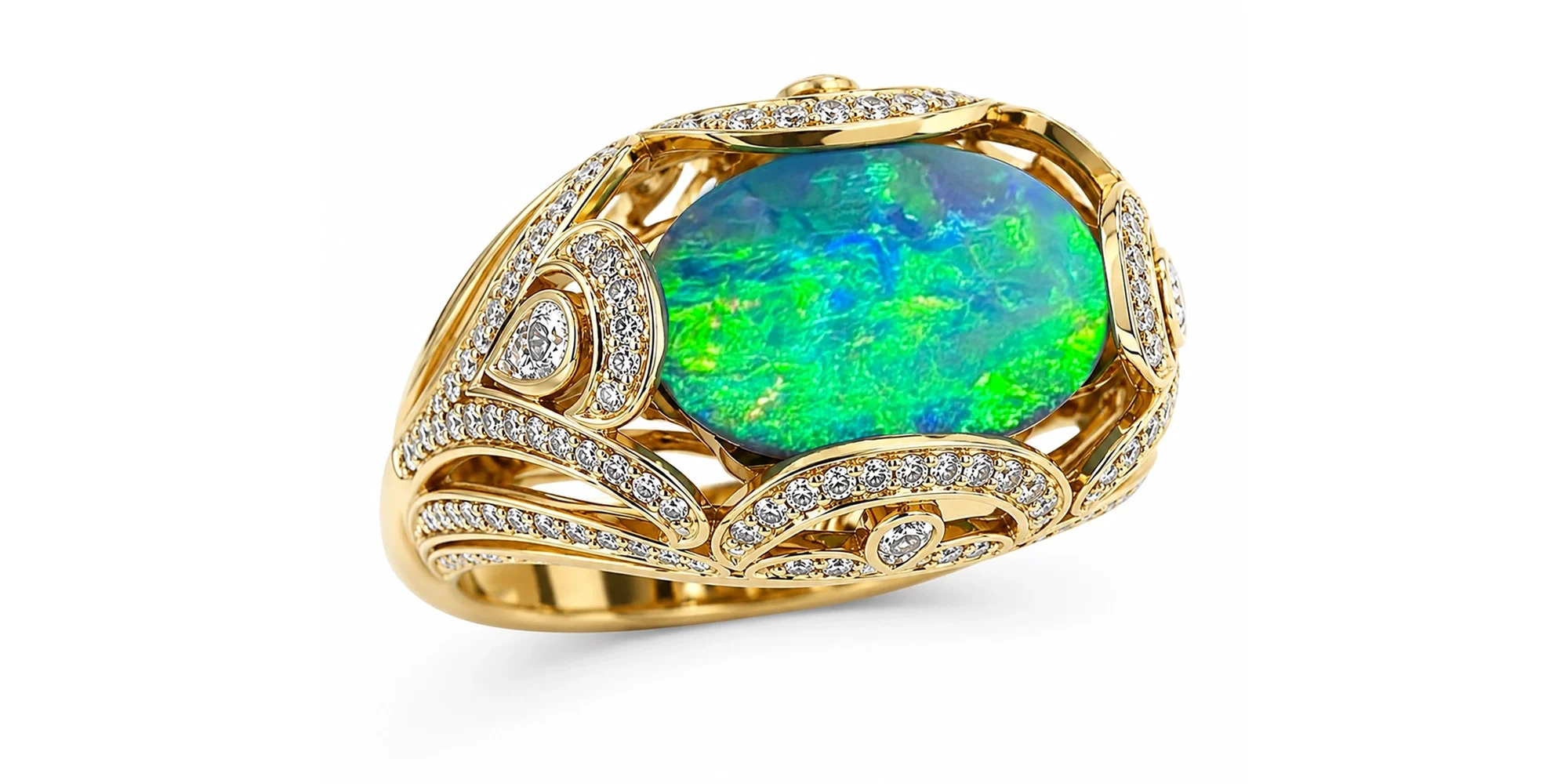
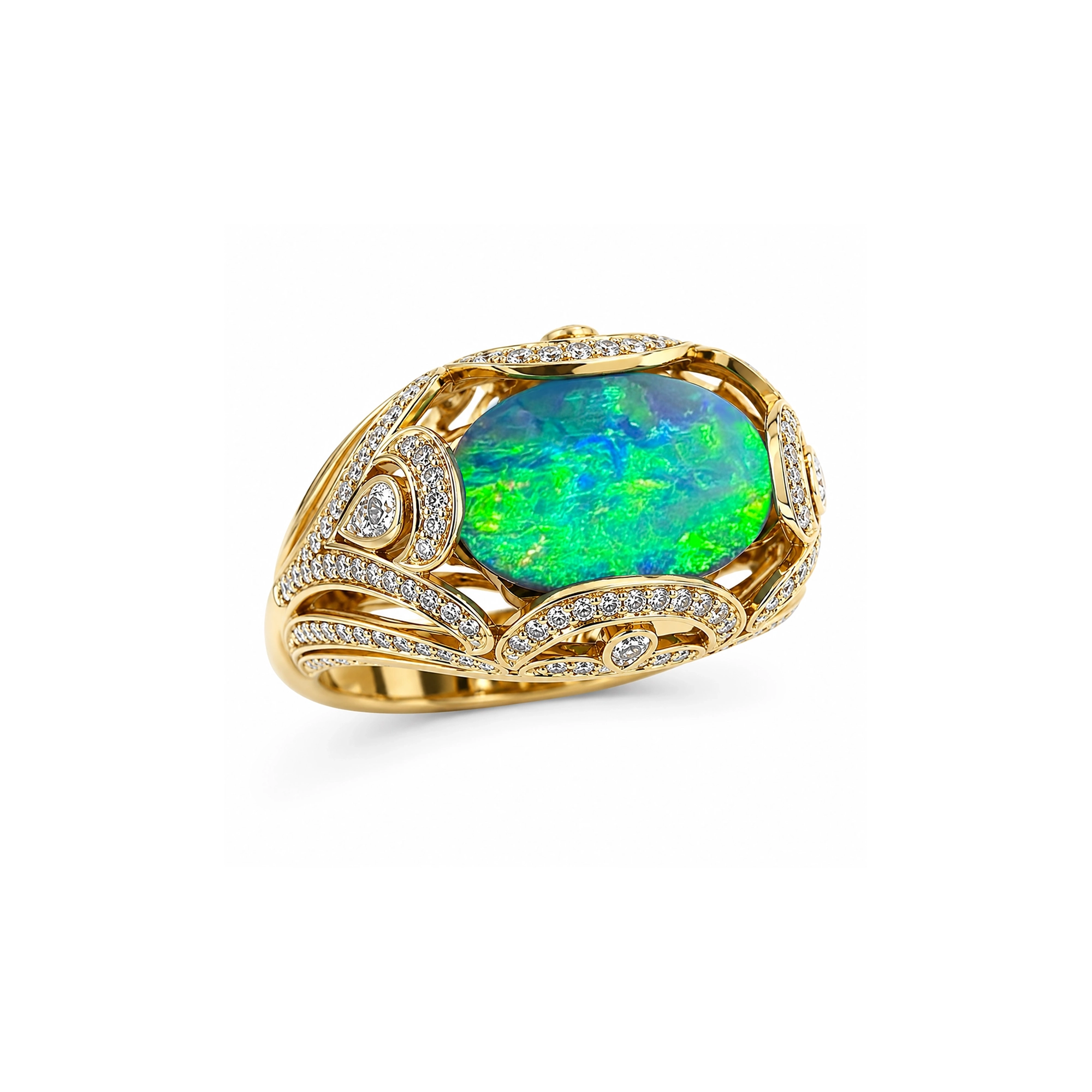
Opals come in many natural shapes, so skilled jewellery design can be especially important. Rather than forcing every opal into a conventional shape, a well-designed piece can work with the gemstone’s natural proportions and colour pattern.
The choice between yellow gold, white gold and other precious metals can also change the overall appearance of an opal.
A good setting should enhance the gemstone without overpowering it.
12. Ask About Origin and Authenticity
When purchasing a significant Australian opal, buy from a reputable jeweller who can clearly explain what you are purchasing.
Ask questions such as:
- Is this a natural solid opal?
- Where was the opal mined?
- Has the stone received any treatment?
- What type of Australian opal is it?
- Is documentation provided with the purchase?
For higher-value pieces, documentation describing the gemstone can provide additional confidence and a useful record for the future.
So, What Is the “Best” Opal?
There isn’t one.
A collector may search for an exceptionally rare pattern. Another buyer may want the brightest possible red play-of-colour. Someone else may fall in love with the deep blues and greens of a particular boulder opal.
Quality matters, but so does personal preference.
When choosing an opal, look for a stone that combines good brightness, attractive play-of-colour, pleasing pattern and quality craftsmanship — but most importantly, choose an opal that continues to capture your attention every time you look at it.
That individuality is part of what makes Australian opal unlike almost any other gemstone.
Discover Australian Opals in Sydney
At Cosmopolitan Jewellers in The Rocks, Sydney, we have specialised in Australian opals and fine jewellery since 1992.
Our collection includes natural solid Australian black opals, boulder opals, crystal opals and white opals, with pieces ranging from loose gemstones to handcrafted opal rings, pendants, earrings and other fine jewellery.
Our team can guide you through the differences in colour, brightness, pattern, body tone and origin so you can compare opals with confidence and find a gemstone that genuinely appeals to you.
Whether you’re purchasing your first Australian opal or adding another piece to your collection, seeing and comparing different stones is one of the best ways to understand just how individual each opal can be.
Visit Cosmopolitan Jewellers in The Rocks, Sydney to discover our collection of natural Australian opals and opal jewellery.