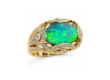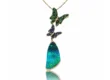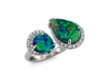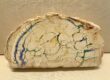
How to Choose a Quality Australian Opal? Australian opals are unlike almost any other gemstone. No two are exactly alike, and their value cannot be determined by a simple grading system such as the traditional Four Cs used for diamonds.
Instead, the quality of an Australian opal is determined by a combination of factors including brightness, play-of-colour, pattern, body tone, clarity and the overall appearance of the stone.
For someone purchasing an opal for the first time, understanding these characteristics can make choosing the right piece much easier.
1. How to Choose a Quality Australian Opal- Look at the Brightness
One of the most important characteristics of a quality opal is its brightness.
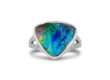
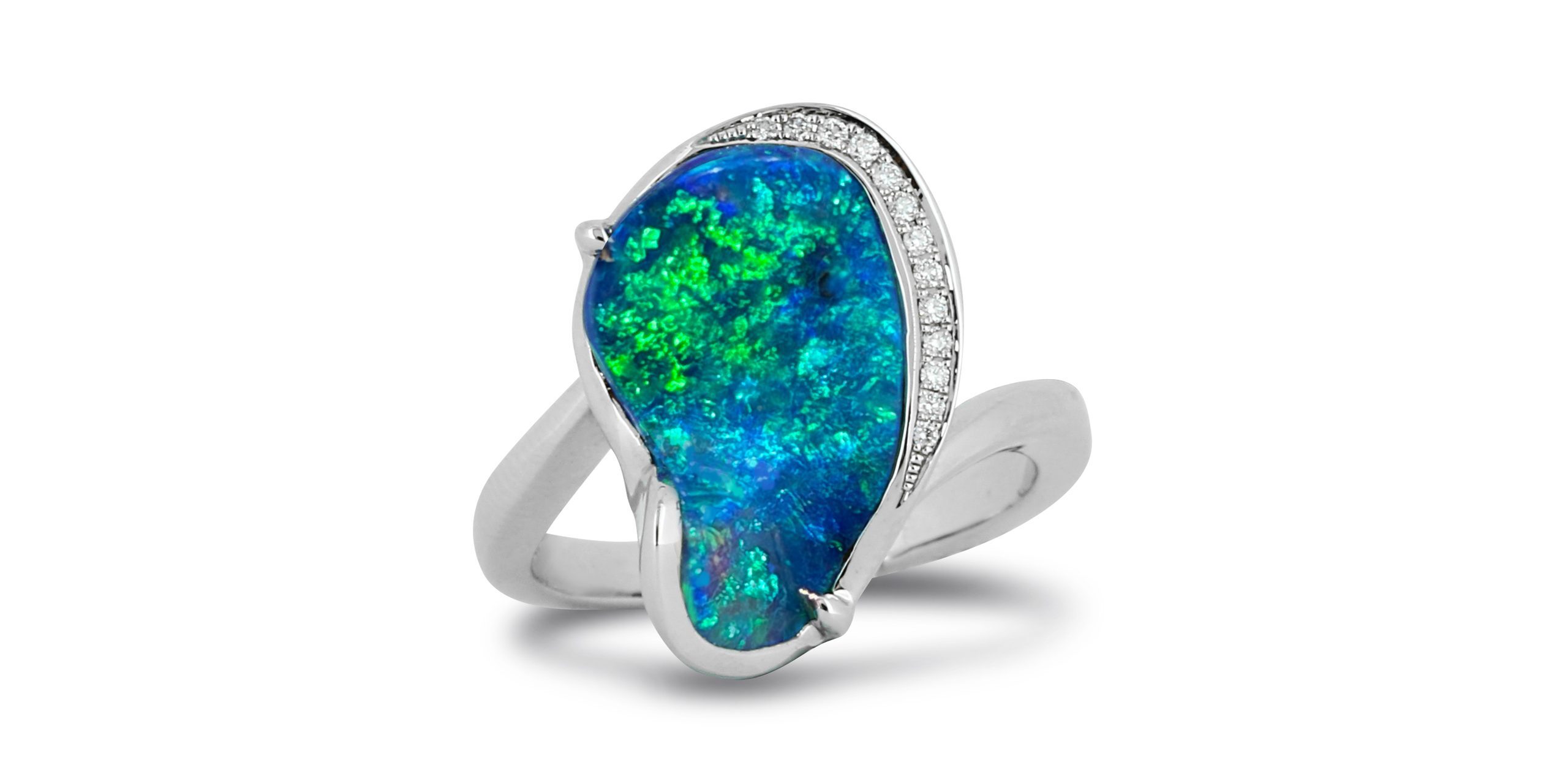
Brightness describes the intensity of the colours produced by the opal. A fine opal should appear lively, with colours that are clearly visible as the stone moves.
An opal displaying exceptionally bright blue and green, for example, may be more desirable than an opal containing red but with considerably weaker colour.
When viewing an opal, move it slowly under different lighting conditions. A quality stone should not rely entirely on strong jewellery-store spotlights to reveal its beauty.
2. Examine the Play-of-Colour
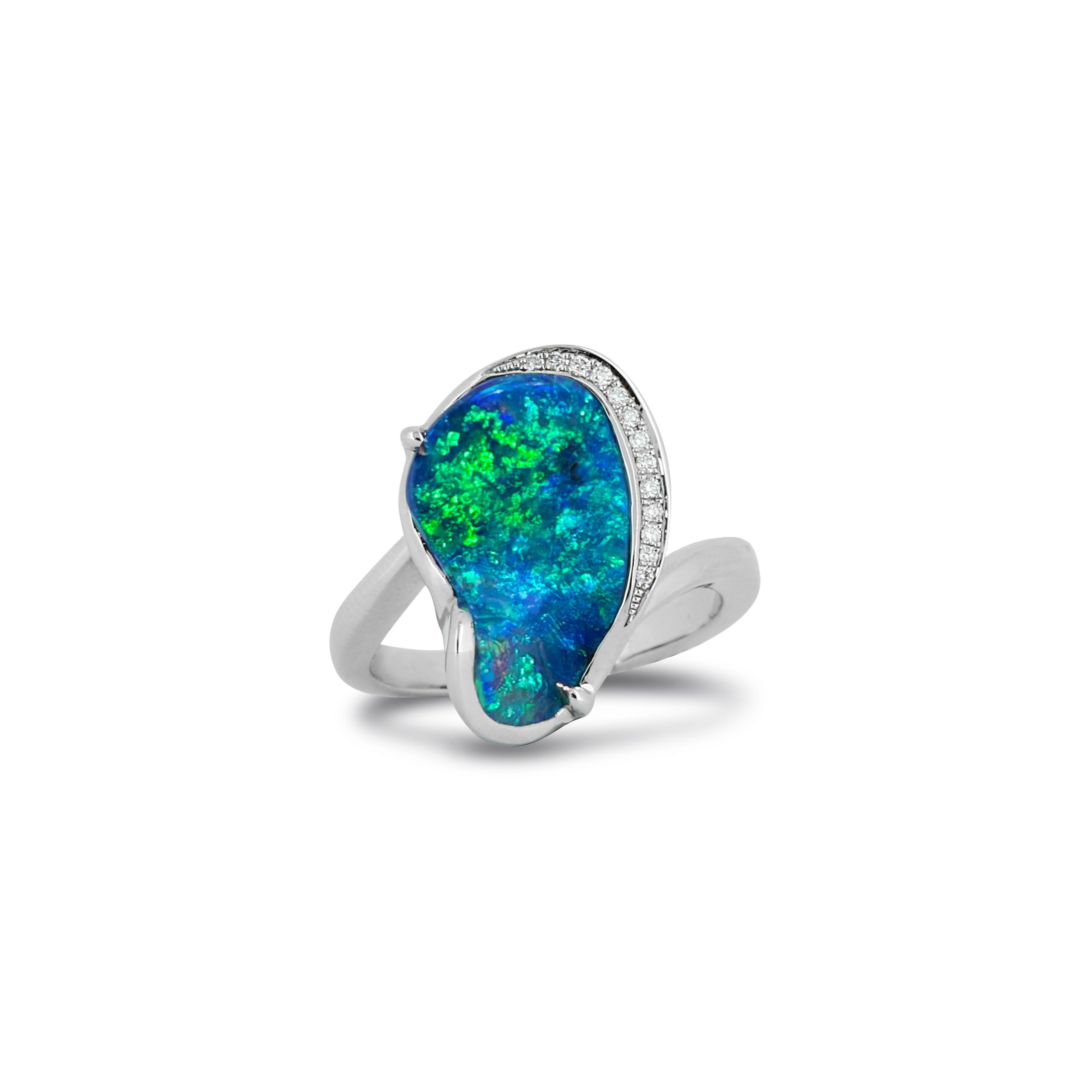
The shifting colours seen within precious opal are known as play-of-colour.
As an opal moves, different colours can appear and disappear across its surface. Depending on the stone, you may see blue, green, yellow, orange, pink and red.
Traditionally, red and orange are among the rarer and more highly prized colours in Australian opal. However, colour alone does not determine quality.
A brilliant blue-green opal with exceptional brightness and coverage can be far more impressive than a dull stone containing small flashes of red.
The combination of colour, brightness and movement is what matters.
3. Consider the Pattern
Pattern refers to the way play-of-colour is arranged across the face of an opal.
Australian opals can display an extraordinary variety of natural patterns, including:
- Pinfire
- Broad flash
- Rolling flash
- Flame
- Mosaic
- Harlequin
Some rare, well-defined patterns can significantly increase an opal’s desirability.
However, a named pattern does not automatically make an opal valuable. The strength of the colour, brightness and overall beauty of the pattern are equally important.
A good quality opal should ideally display an attractive distribution of colour rather than large areas with little or no play-of-colour.
4. Understand Body Tone
The body tone is the underlying background colour of an opal, separate from its flashes of colour.
Australian opals can range from very dark black and grey tones through to lighter and white backgrounds.
Black opal generally has a dark body tone, which creates a dramatic contrast against its play-of-colour. This is one reason fine black opal can be particularly valuable.
Australian black opal is most famously associated with Lightning Ridge in New South Wales.
Light and white opals, particularly those associated with Coober Pedy in South Australia, have a much lighter background and can produce beautiful softer displays of colour.
Neither should be judged on body tone alone. A beautiful, exceptionally bright light or crystal opal can be more desirable than a dark opal with weak colour.
5. Look at the Colour From Different Angles
This is an important consideration that can easily be missed when purchasing an opal.
Some opals show spectacular colour from one particular position but become much less colourful when viewed from another.
Other stones continue displaying strong colour as they are moved and viewed from multiple directions.
When inspecting an opal, gently tilt it from side to side and look at it from several angles.
For jewellery, particularly rings and pendants, an opal that displays beautiful colour through a wide range of viewing angles can be especially attractive because the stone will continually change as it is worn.
6. Check the Clarity and Condition
As a natural gemstone, an opal may contain characteristics created during its formation. These do not necessarily make the stone undesirable.
However, you should examine the stone for significant cracks, crazing or other structural problems.
Crazing refers to a network of fine cracks within an opal and can affect both its appearance and durability.
A quality opal should also be well polished, with a smooth surface that allows its colour and pattern to be displayed clearly.
7. Know Whether You Are Buying a Solid Opal
Not every piece sold as opal jewellery contains a solid opal.
There are three important terms buyers should understand:
Solid Opal
A natural opal that has been cut and polished as a single piece.
Opal Doublet
A thin layer of precious opal attached to a darker backing.
Opal Triplet
A thin layer of precious opal with a backing underneath and a clear protective layer over the top.
Doublets and triplets can make attractive jewellery and have their own place in the market, but they should always be clearly identified and are valued differently from comparable solid natural opals.
If you are looking for a fine Australian opal, always ask exactly what you are purchasing.
8. Understand the Different Types of Australian Opal
Australia produces several distinctive varieties of precious opal.
Black Opal
Most famously associated with Lightning Ridge, black opal has a dark body tone that can provide exceptional contrast for its play-of-colour. Fine examples are among the most highly prized Australian opals.
Boulder Opal
Boulder opal is primarily mined in Queensland. It forms naturally within ironstone, and part of this host rock is intentionally retained when the opal is cut.
The contrast between natural brown ironstone and brilliant opal colour gives boulder opal its distinctive appearance.
Crystal Opal
Crystal opal is transparent to semi-transparent, allowing light to enter the stone and giving its play-of-colour a beautiful sense of depth.
Exceptional crystal opal can display extraordinarily vivid colour.
White or Light Opal
White and light opals have pale body tones and are strongly associated with Australian fields such as Coober Pedy. Fine examples can display beautiful multi-coloured play-of-colour across the entire stone.
9. Bigger Does Not Always Mean Better
Carat weight is only one consideration when assessing an opal.
A smaller stone with exceptional brightness, colour and pattern can be considerably more desirable than a much larger opal with subdued colour.
Rather than focusing solely on size, compare the overall quality of the stones.
Ask yourself:
How bright is it? How much colour can I see? Is the pattern attractive? Does the colour remain visible as the stone moves?
These questions will tell you much more about an opal than its carat weight alone.
10. Finally, Choose the Opal That Speaks to You
Technical characteristics are important, particularly when understanding quality and value, but choosing an opal is also highly personal.
One person may be drawn to intense red and orange flashes, while another may prefer electric blues and greens. Some people love the dramatic appearance of Lightning Ridge black opal, while others are captivated by the natural ironstone formations found in Queensland boulder opal.
That individuality is part of what makes Australian opal so remarkable.
At Cosmopolitan Jewellers in The Rocks, Sydney, we have specialised in Australian opals for decades, including Lightning Ridge black opal, Queensland boulder opal, crystal opal and light opal.
Our collection ranges from individual solid opals to handcrafted opal rings, pendants, earrings and bespoke jewellery.
When choosing an Australian opal, take your time, compare different stones and view them from different angles. Above all, choose a stone whose colour and character you will continue to appreciate for years to come.
We are loocated at Shop 140 George Street, The Rocks, Sydney, NSW 2000 Australia.